Hua Qing

Hua Qing

华庆

Hua Qing 

Born 1962 in Huaian, Anhui, China

Lives and works in Beijing, China

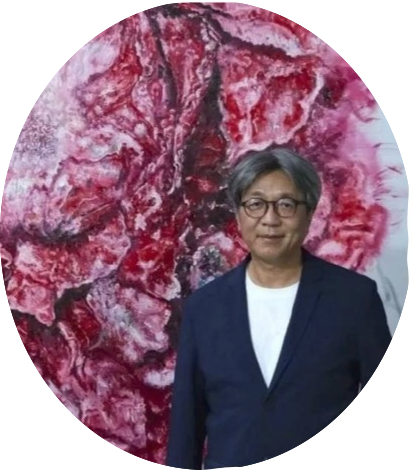
Hua Qing is a leading figure in Chinese contemporary art, first emerging in the 1980s with the 85 New Wave avant-garde movement. He studied at the Central Academy of Arts and Crafts (1986) and later lived in Europe, Yugoslavia, and Taipei before returning to Beijing, where he continues to create and exhibit internationally.

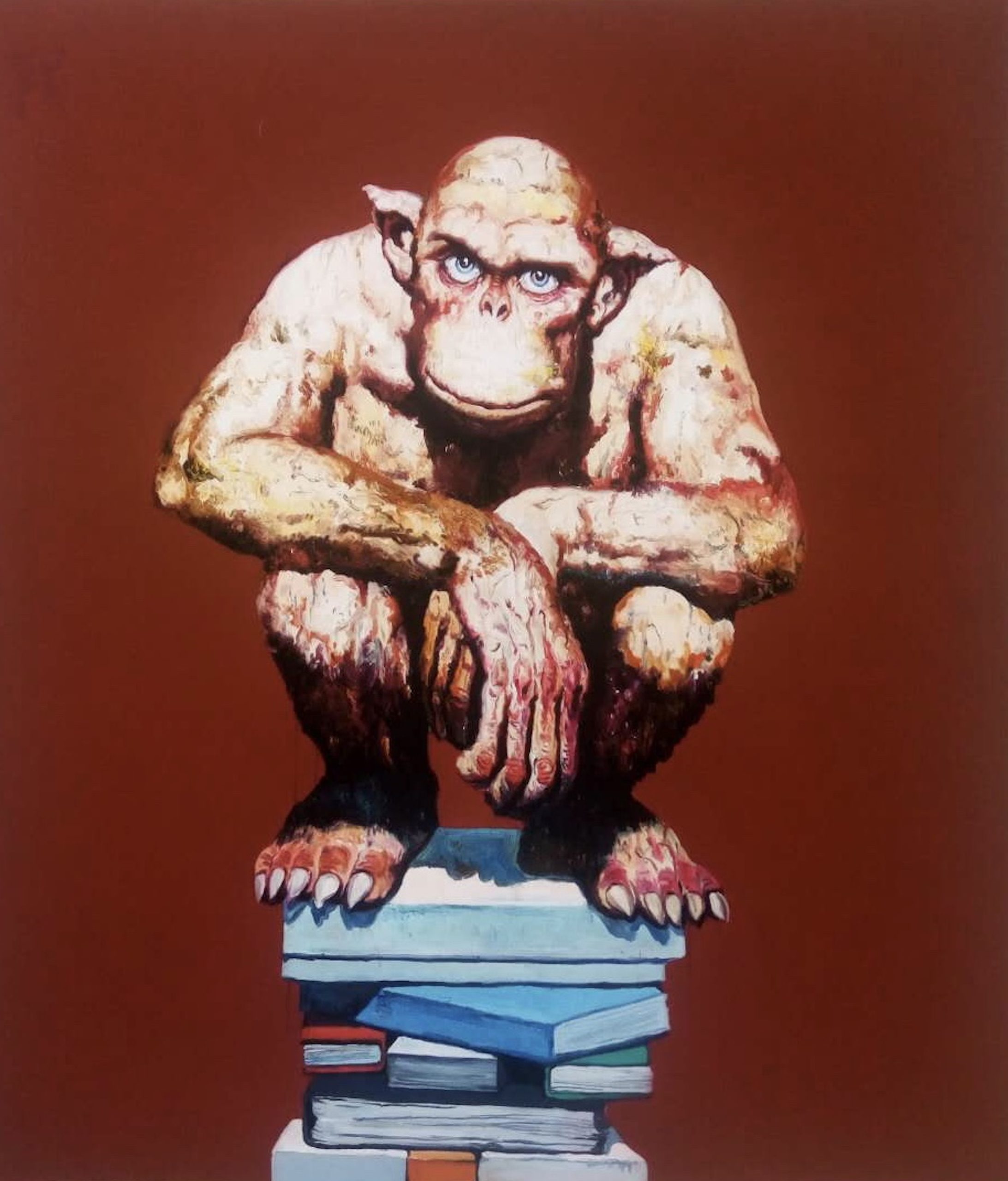
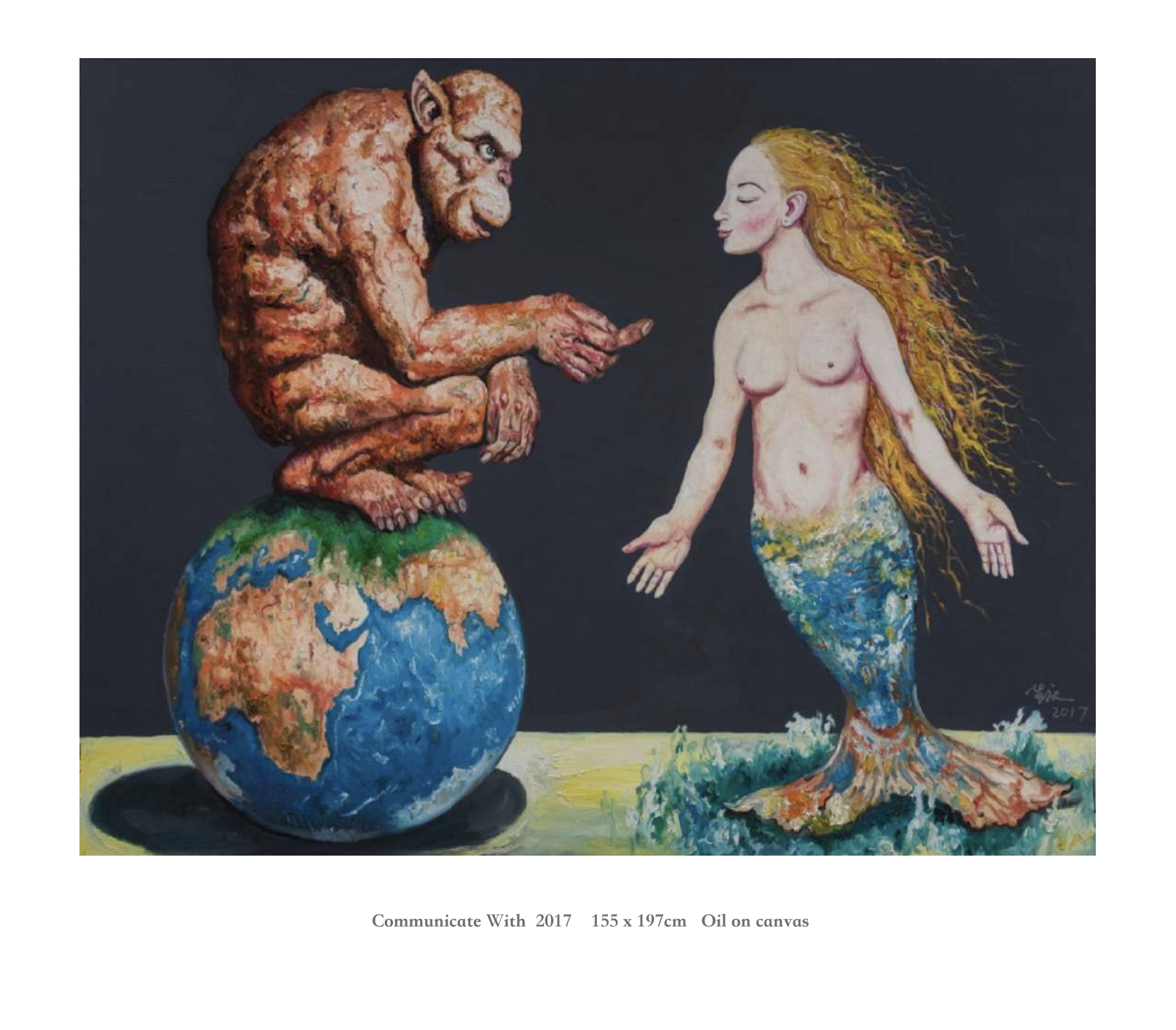
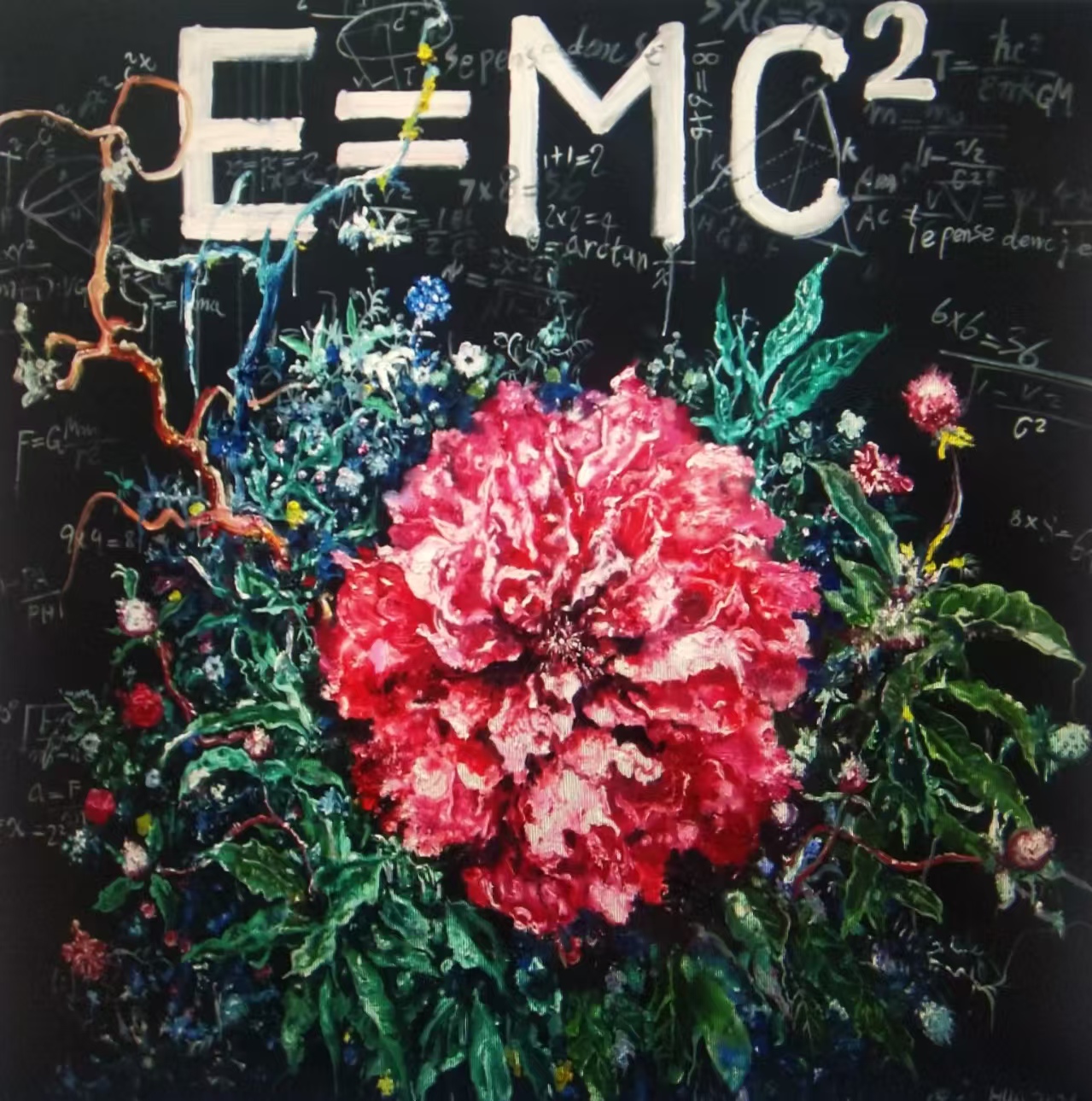
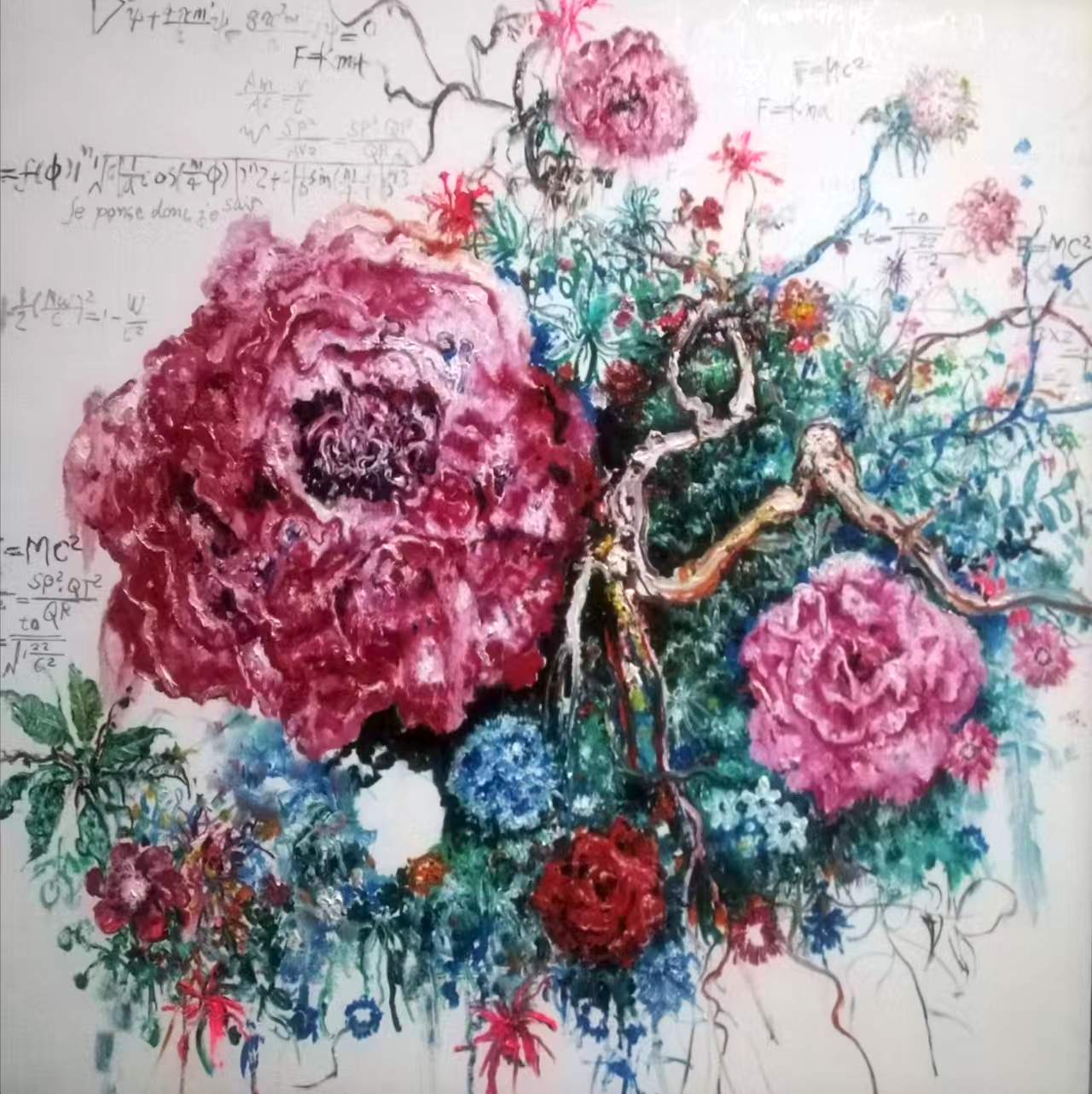
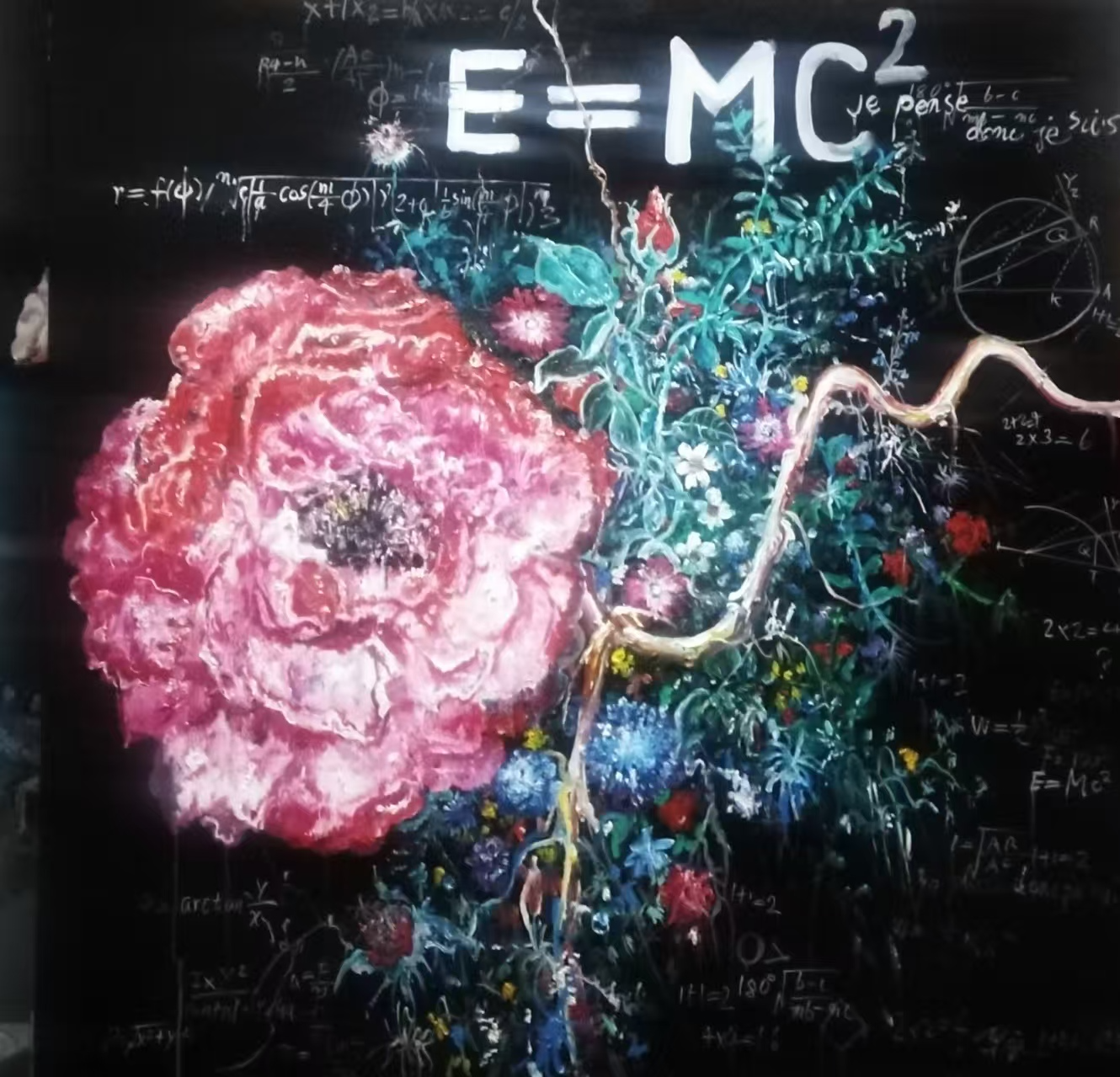
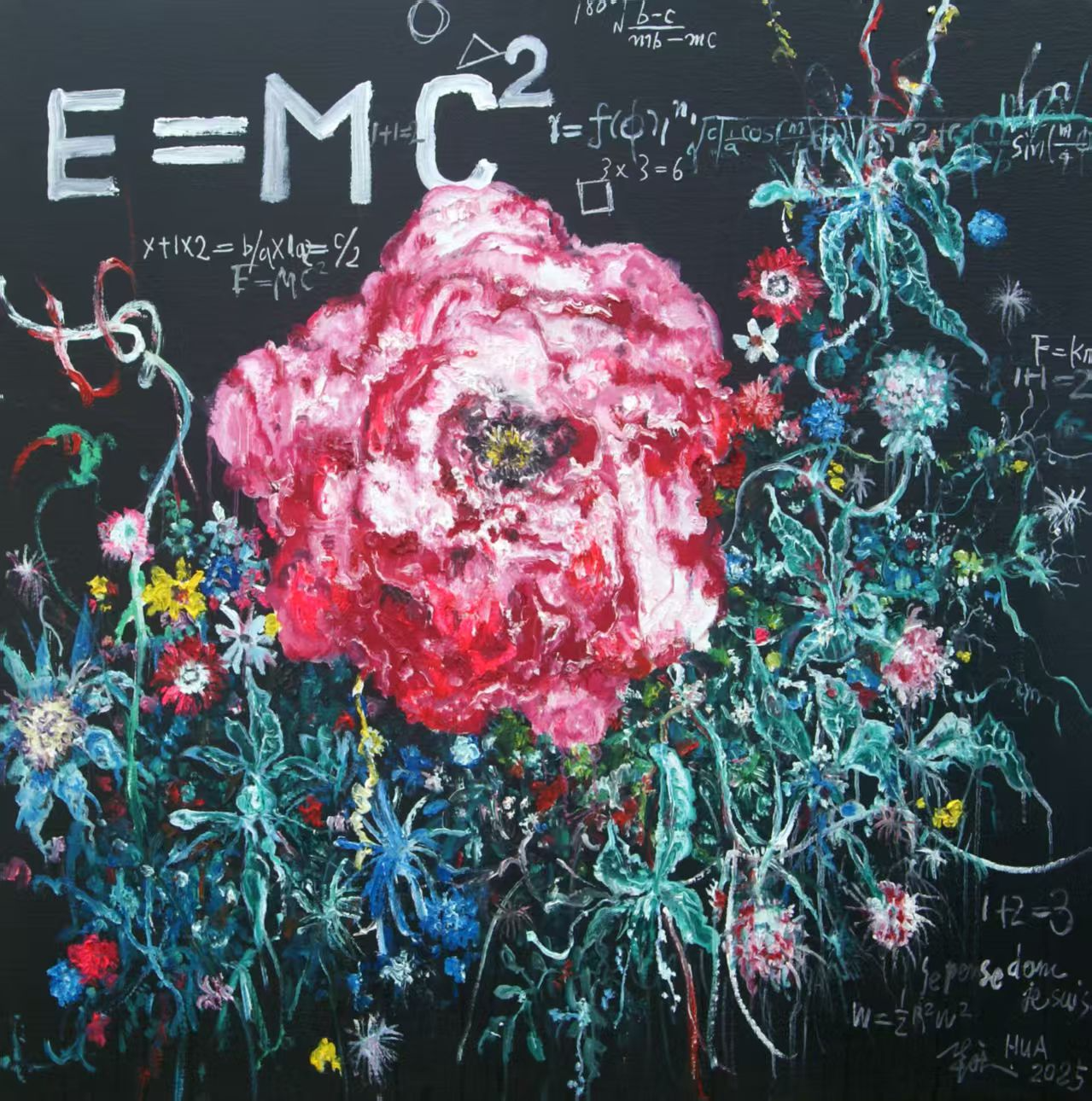
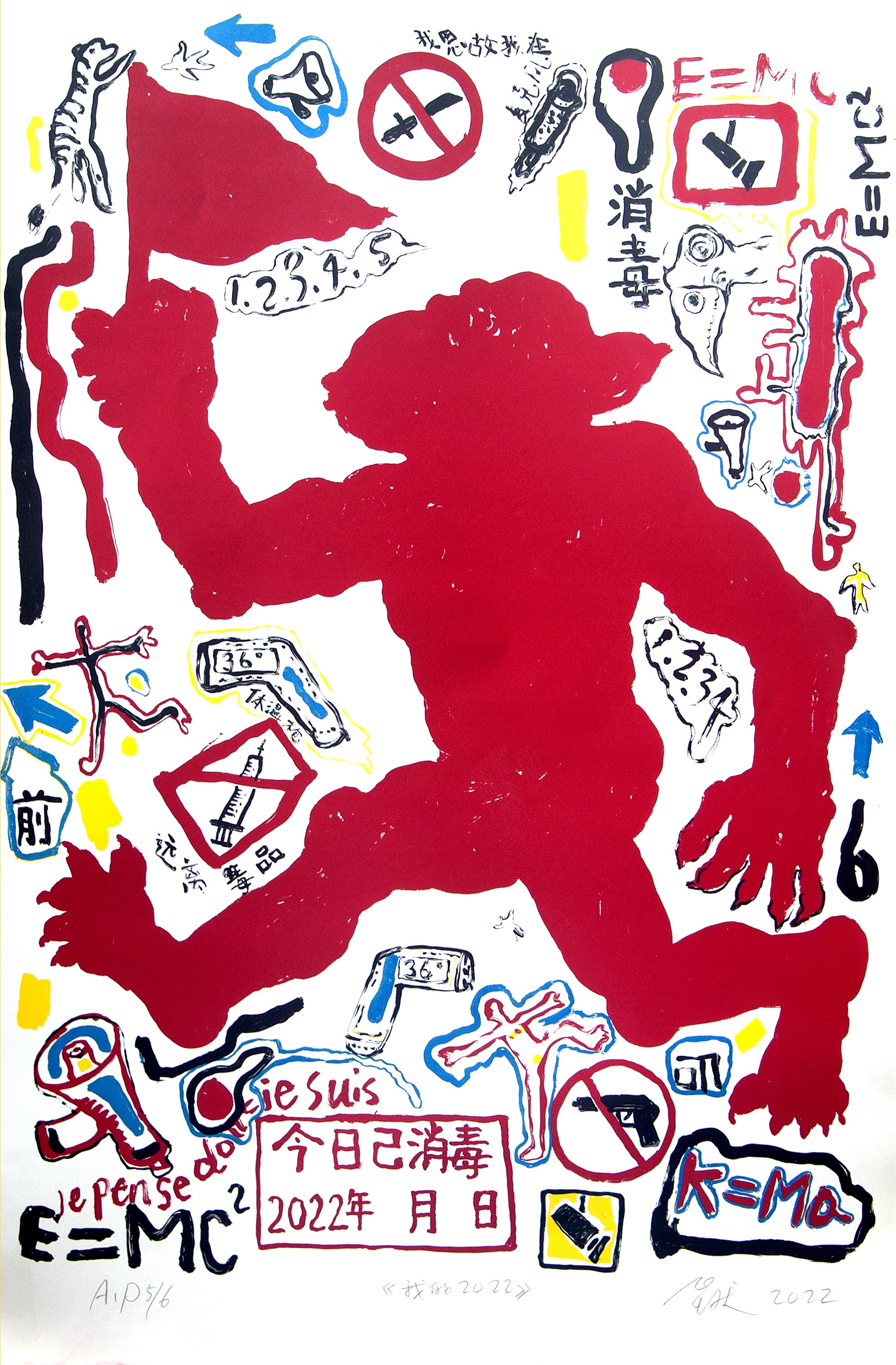
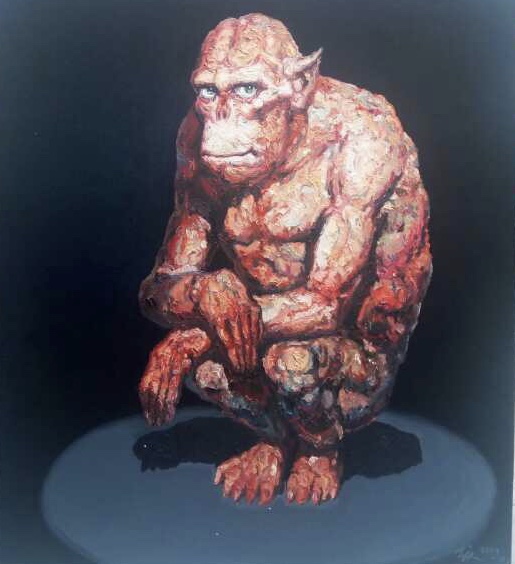
Best known for his gorilla series, Hua employs anthropomorphic imagery as a metaphor for humanity, civilization, and philosophical reflection. In parallel, his flower series symbolizes vitality, beauty, and the quiet dignity of life. His works transcend representation, combining emotional sincerity with intellectual depth, and are widely collected by institutions and private collectors worldwide.

Education

1981 – Anhui Provincial Art School
1986 – Central Academy of Arts and Crafts, Beijing

130 x 130厘米 布面油画

Hua Qing
Born 1962 in China


Hua Qing, born in 1962 in Huai’an, Anhui Province, graduated from Anhui Provincial Art School in 1981 and from the Central Academy of Arts and Crafts in 1986.
With the rise of the 85 Art New Wave, Hua Qing actively participated in avant-garde artistic activities during the early stages of his career, living in the informal residences near Peking University’s west gate for free artistic creation. He later became one of the first individual artists to enter Yuanmingyuan Artist Village. In 1987, he traveled to Europe, spending the entire 1990s based in the former Yugoslavia, exploring European art museums and galleries, and critically examining Western art trends and ideologies while reflecting on his artistic direction. In 1999, Hua Qing lived and created art in Taipei for six years. In 2006, he returned to Beijing, established a studio, and through a series of significant exhibitions,
re-established his presence in China’s contemporary art scene. Hua Qing’s works have been promoted by numerous internationally renowned biennials and art institutions, and his distinctive works featuring anthropomorphic figures are widely collected by both private collectors and art organizations.
As a 1960s-born artist, Hua Qing is not only a witness but also a pioneer of the development of contemporary Chinese art. His artistic journey is deeply rooted in his early experiences in Yuanmingyuan Artist Village, his firsthand observations of the Yugoslav Wars, and two decades of overseas living and artistic exploration. These experiences have granted him a clearer understanding and deeper insight into the essence of art.
In his view, the world is imperfect and absurd, but he chooses to adopt a higher perspective seeing it as a fairy-tale world filled with diverse lives. This viewpoint helps him maintain a sense of innocence and benevolence, serving as a core driving force for his creative process.
Hua Oing believes that artists should base their work on sincerity, reflecting on humanity’s existing civilizations, science, and religious themes. He employs the most direct and primal modes of thinking and artistic forms to express his deep reflections on the past, present, and future. This introspection imbues his works with profound emotional resonance and intellectual depth.
Furthermore, Hua Qing employs charming, exaggerated, and humorous expressions to depict his vision of the “fairy-tale world.” In this world, art transcends mere representation of reality; it becomes a profound exploration of pure beauty and humanity, sparking both joy and deep reflection in viewers. His work, therefore, balances intellectual rigor with emotional appeal, engaging audiences in a thought-provoking experience that resonates on a personal level.

关于艺术家华庆


“艺术的过程就是艺术家思想的过程,答案已不重要。在这样的思考与表达中,我们通过作品无可争辩地证明—我们存在并艺术地生活过了。”
—华庆
1981年毕业于安徽省艺术学校,1986年毕业于中央工艺美术学院。
伴随着85美术新潮,华庆毕业初期开始积极参与先锋艺术活动,入住北京大学西门的民房自由创作,之后成为第一批进驻圆明园画家村的个体艺术工作者。1987年,他前往欧洲,在前南斯拉夫为基地的整个九十年代,他游历欧洲各地的艺术博物馆和画廊,分析和探讨西方艺术主张与思潮,思考自己的艺术方向。1999年,华庆在台北生活和创作了六年。2006年,他回到北京,建立工作室,并通过一系列重要的展览,重返国内当代艺术的舞台。华庆的作品被众多国际知名的双年展和美术馆推介,其独特的类人猿作品被重要私人和艺术机构收藏。
作为一位六十年代出生的艺术家,华庆不仅是中国当代艺术发展的见证者,更是其开创者之一。他的艺术历程深深植根于早期圆明园画家村的生活体验、南斯拉夫内战的目睹经历,以及长达二十年的海外游历与生活经验。这些经历使华庆对艺术的本质有了更加清晰的认识与深刻的理解。
在他看来,这个世界充满了不完美与荒诞,但他选择用更高纬度的视角去看待它,将这个世界视为一个充满芸芸众生的童话世界。这样的视角不仅帮助他保持内心的单纯与善意,也成为他创作的核心驱动力。
华庆认为,艺术家应该以真诚为本,反思人类现存的文明、科学和宗教等议题。他选择用最直接、最原始的思维方式以及相应的艺术形式,展现自己对过去、现在与未来的深刻悲悯。这种反思赋予了他的作品深刻的情感力量和思辦性。
与此同时,华庆通过接近可爱、夸张以及幽默风趣的表达方式,描绘出他眼中的“童话世界”。在这个世界里,艺术不仅是对现实的镜像呈现,更是一种情感与思想的升华,是对人性深处纯粹与美好的探索。这样的表达方式使他的作品既富有思想深度,又充满感染力,令人忍俊不禁的同时,引发观众对生命与人性的深刻思考。

——————————————————————————————————————————————————————————————————————————————————————————————————————————————————————————————————————————————————————————————————

从猿猴到花朵——解读华青的画作

荣健

从前,华青的画布是一片原始野性的王国:威猛而孤傲的猿猴,如同远古的图腾,以粗犷的笔触和浓烈的色彩呈现在我们眼前。它们不仅仅是活生生的生物;它们象征着人类的旅程——从本能到文明,一段关于生命本身的史诗。
 

如今,那些强大的猿猴已悄然退却,让位于繁花盛开——每一朵花都“自成一个世界”。这并非仅仅是主题的转换,而是艺术家精神之旅的一次深刻转折。乍看之下,这些花朵似乎在歌颂生命的丰饶,花瓣上洋溢着希望与活力的绚丽色彩。然而,在它们耀眼的光芒之下,却隐藏着岁月的淡淡阴影——褶皱与黑暗被光辉所掩盖。


从猿猴的“旅程”到花朵的“存在”,华青的艺术达到了更高的境界。猿猴象征着生命在历史长河中漫长的奋斗与变迁,而花朵则凝结了生命在当下的光辉与映照。它们虽小,却映照出存在的浩瀚——既有喜悦,也有悲伤;既有荣耀,也有脆弱。
于是我们领悟:猿猴的雄伟与花朵的绚丽,不过是跨越时空同一精神的两种表达。在华青的艺术中,无论形式如何变迁,其本质始终如一——对生命矢志不渝的热爱和坚韧不拔的乐观精神。

Featured Works

+65 83577781 / 83510200
WeChat QR Code WeChat QR Code
WhatsApp QR Code WhatsApp QR Code
Back to top